Build and Kill Verity How to Build a Base
Turn freeform blocks into choke points, overlapping turrets, and upgrade paths that survive waves — even while you are offline.
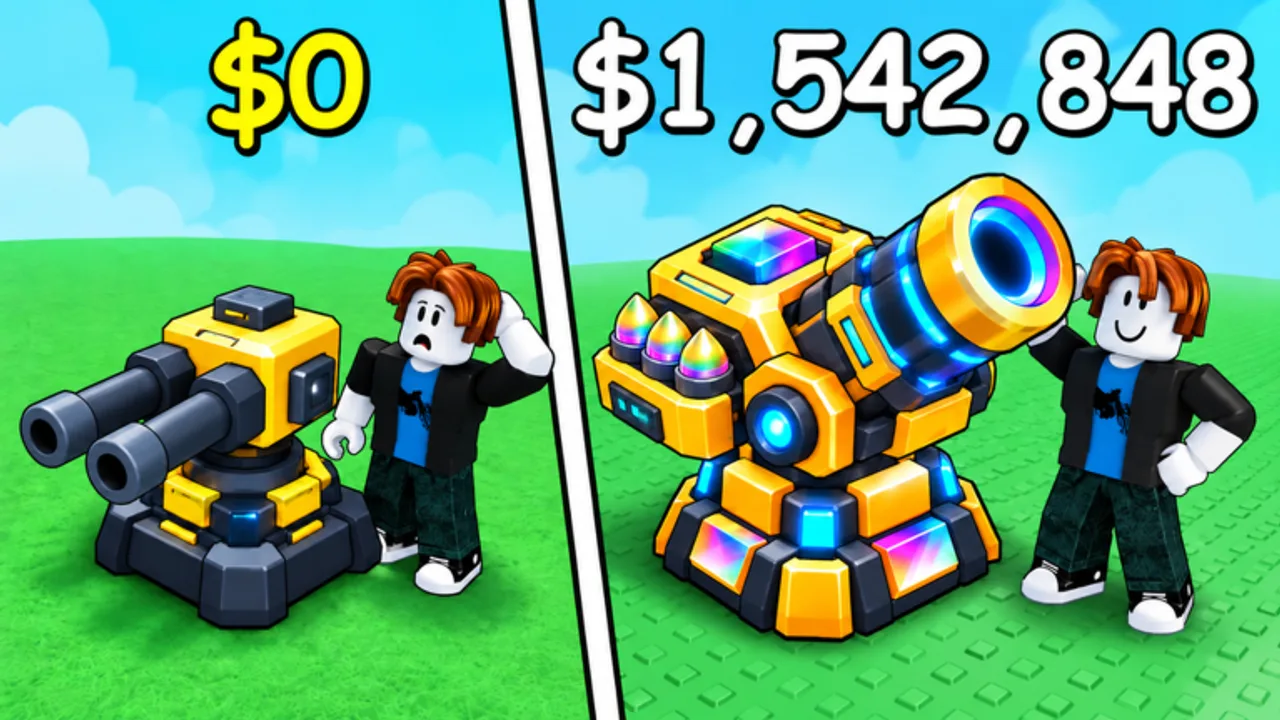
Building is the identity of Build and Kill Verity. You are not painting a pretty lobby — you are shaping lanes that monster waves must respect, then reinforcing those lanes until bosses arrive. Because buildings autosave and your base fights offline, every wall, turret, and trap should earn its keep without constant babysitting. This guide covers layouts, choke points, turret and trap placement, and upgrade priority for solo players and squads of up to six.
If you have not finished a first session yet, read Getting Started first. Pair this article with How to Survive Waves for repair pacing and How to Beat Bosses for elite fight space. Compare building value on the Tier List and watch patches on Updates.
Design goals before you place anything
Write these goals on a sticky note if you have to:
- Force a path. Monsters should enter where you want them, not where the map is empty.
- Overlap damage. Two mediocre coverage zones beating the same tile beat one lonely max turret with gaps.
- Repair access. You must reach broken segments during a wave without parkouring across the entire fortress.
- Fallback depth. Outer layer fails → inner layer still functions.
- Offline honesty. Would this base still shoot and block if you closed Roblox right now?
Freeform building tempts decoration. Decoration is fine behind the kill zone. In front of the kill zone, geometry is destiny.
Choke points: the heart of every strong base
A choke point is a narrow segment where monster pathing compresses. You create chokes with walls, terrain hugs, and deliberate openings.
How to build a reliable choke:
- Start with a single primary entrance. Multiple open sides multiply the defenses you must fund.
- Funnel width should match your early turret count — wide funnels waste shots; ultra-thin funnels can clog and spill oddly depending on pathing.
- Place the choke where you have line of sight from a safe repair perch.
- Avoid symmetric “pretty gates” that look cool but split your fire across two lanes too early.
- When you expand, extend the funnel first, then widen living space behind it.
Advanced players sometimes run staged chokes: an outer soft funnel that thins trash packs, then an inner hard choke for elites and bosses. That pattern shines once you have materials and a repair habit.
Turret and trap placement
Turrets (and other damage buildings) want time on target. Traps want predictable footsteps. Combine them.
Turret rules of thumb:
- Cover the choke entrance and a few tiles deeper so packs do not leave range instantly.
- Elevate or offset when possible so friendly walls do not fully block fire arcs.
- Stagger turrets along the lane instead of stacking all DPS on one tile that gets focused and destroyed.
- Leave a one-tile repair gap you can stand in without eating every projectile yourself.
Trap rules of thumb:
- Put traps on tiles monsters cannot easily skip if your walls are intact.
- Mix slow or soft-control traps near the entrance with burst damage deeper in the lane.
- Never trap your own repair route — you will hate yourself mid-wave.
- Re-check trap value after every major update; balance swings hit traps hard in tower defense games.
When unsure what to buy next, cross-check the Tier List rather than copying a random screenshot from another Verity game.
Upgrade priority that scales
Spending order matters more than raw creativity in the mid game.
Suggested early priority:
- Lane integrity — walls and gates that actually force the choke.
- First reliable DPS covering that choke.
- Repair economy / reserves so you can fix under pressure.
- Second overlapping DPS or trap layer for redundancy (offline defense loves this).
- Quality-of-life and expansion wings only after the core lane is stable.
Mid-game priority shifts:
- Replace fragile early pieces that constantly break.
- Add depth (second choke or fallback pocket) before cosmetic towers.
- Specialize a boss pocket — open space for focus fire with strong overlapping coverage — see How to Beat Bosses.
- Invest in whatever the current meta ranks high on the tier list.
Avoid the trap of upgrading a decorative side tower while the main gate is still wood-tier nonsense. Autosave will faithfully preserve that bad decision.
Layout archetypes that work
1) Single-lane fortress
One entrance, deep kill corridor, core at the back. Best for beginners and offline defense. Easy repair path along the wall. Weakness: if the lane is breached at the mouth, everything cascades — so over-invest in the mouth.
2) Ring with controlled gates
A core ring with one or two gates you choose to open. Strong when you have enough turrets to staff each gate. Weakness: six-player chaos opens extra gates “just because.” Use Co-op Guide rules to lock gate count.
3) Staged funnel
Outer soft walls → middle trap garden → inner hard choke. Excellent for longer waves and bosses. Weakness: expensive; do not attempt on wave one.
4) Compact bunker
Tiny footprint, dense DPS, minimal surface area. Great for solo players who log in short sessions and lean on offline fighting. Weakness: little room to kite or fall back if something spawns inside.
Pick an archetype and commit for a few sessions. Hybrid messes usually underperform pure designs.
Building for offline defense
Before logout:
- Close accidental side gaps.
- Ensure at least two damage sources see the primary lane.
- Remove unfinished wall stubs that create weird pathing.
- Store a mental note of your weakest tile — that is what offline waves will punish.
- If friends share the base, agree who may edit after you leave.
Offline combat is why redundant coverage beats glass-cannon single turrets. A lonely maxed gun that dies early leaves the base helpless until you return.
Co-op building etiquette
When multiple players place blocks:
- One person owns the master plan for the main choke.
- Others fill designated wings or trap lines.
- Nobody deletes without calling it.
- Repair duty rotates so the builder can keep expanding between waves.
Full role breakdowns are in the Co-op Guide.
Mistakes that ruin otherwise cool bases
- Maze building that confuses you more than the AI.
- Pretty courtyards with no overlapping fire.
- Trapping the only repair corridor.
- Expanding footprint before upgrading the choke.
- Copying horror-Verity or Build Base to Survive VERITY layouts that solve a different game.
- Ignoring codes and free upgrade fuel while you struggle for mats.
Practice drill
- Build a single-lane starter using Getting Started rules.
- Survive waves while only upgrading the choke — see How to Survive Waves.
- Add a second overlapping DPS piece and re-test.
- Create a fallback pocket and simulate a boss with How to Beat Bosses habits.
- Log out and note what failed; rebuild with offline honesty.
Strong bases in Build and Kill Verity look intentional from the monster’s point of view. If you ever wonder where to place the next block, stand at the spawn side of your lane and ask: “Where am I forced to walk, and what kills me while I walk there?” Build the answer to that question — then autosave it with pride.
Frequently Asked Questions
Quick answers to the most common questions.
What is the best starter base shape?
A compact single-lane fortress with one choke, overlapping early DPS, and a clear repair path. Expand only after that lane holds.
Should I prioritize walls or turrets first?
Force the choke with walls first, then fund reliable DPS on that choke. Walls without damage and damage without a lane both fail.
How do I build for offline defense?
Use overlapping coverage, close side gaps, avoid single points of failure, and audit the base as if you will not be there to repair.
Where should traps go?
On predictable path tiles inside the funnel, mixed near the entrance and deeper in the lane — never on your only repair route.
How do co-op builders avoid wrecking the layout?
Appoint one choke owner, assign wings, ban silent deletes, and follow the Co-op Guide role split.
Which page helps me pick upgrades?
Use the Tier List for priority picks, Updates for balance changes, and How to Survive Waves for when to spend versus save.